
Essential Lisbon Travel Tips: What to Know Before You Go
Planning your first trip to Lisbon? This guide brings together the most important Lisbon travel tips you should know before you go, including when to visit, how to get around, where to stay, what to eat, how to avoid tourist mistakes and which day trips are worth adding to your itinerary.
Lisbon is one of Europe’s most charming capitals, known for its historic neighborhoods, scenic viewpoints, yellow trams, riverside atmosphere, excellent food and easy access to places such as Sintra and Cascais. With the right planning, the city is easy to explore and rewarding for first-time visitors, couples, families and solo travelers.
Quick Answer: The Most Important Lisbon Travel Tips
If you’re visiting Lisbon for the first time, plan to stay between 3 and 5 days and use public transportation instead of renting a car. Choose central areas such as Baixa, Chiado or Avenida da Liberdade for accommodation, and include at least one day trip to Sintra or Cascais.
Here are the most important Lisbon travel tips:
• Visit in spring (April–May) or autumn (September–October) for the best weather and fewer crowds.
• Wear comfortable shoes, as Lisbon is famous for its hills and cobblestone streets.
• Use the metro, trams and buses to get around the city.
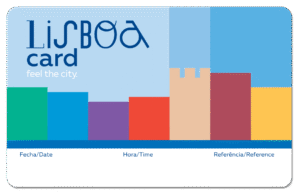
• Consider buying a Lisboa Card if you plan to visit several attractions.
• Book popular attractions and restaurants in advance.
• Keep an eye on your belongings in busy tourist areas and on Tram 28.
In this guide you’ll learn about:
• The best time to visit Lisbon
• How to get to and around the city
• Where to stay
• What to eat and drink
• The best day trips and beaches
• Safety and practical travel tips
• Frequently asked questions from first-time visitors
Essential Lisbon Travel Tips for First-Time Visitors

Planning Your Trip
Planning Your Trip
Getting to Lisbon
Getting Around Lisbon
Where to Stay
Food & Drinks
Money & Budget
Safety Tips
Weather
Day Trips
FAQs
Planning Your Trip to Lisbon
Best Time to Visit Lisbon
The best time to visit Lisbon is either from March to May or September to October, characterized by warm weather, affordable hotel rates, and fewer crowds. Summer brings hot temperatures and increased tourism. With nearly 300 sunny days annually, visitors can enjoy Lisbon’s charm year-round. Spring and summer offer lively outdoor events and festivals, while fall and winter provide a quieter experience with lower accommodation prices. Budget-conscious travelers may find the colder months appealing, as the city takes on a more relaxed pace.
What to Do in Lisbon
Even if you stay in Lisbon for a month, you’ll never run out of new things to do and see. The charming Portuguese capital boasts numerous museums, churches, and historic spots to explore throughout your visit. The city feels like an open-air museum, especially when walking through the labyrinthine old streets of the Alfama district. Beyond the past, there are plenty of new attractions, from modern art galleries to coffee shops and flea markets in redeveloped industrial areas. Take some time to relax, whether it’s enjoying a sunset drink at a rooftop bar or indulging in some retail therapy at high-class Lisbon boutiques.
What to Do at Night in Lisbon
Lisbon’s nightlife flourishes in the vibrant Bairro Alto district with over 100 bars and restaurants. Fado music, the soul of Portuguese culture, can be experienced at Tasca do Chico. The transformed Rua Nova do Carvalho, known as Pink Street, offers trendy bars and clubs. Miradouros like São Pedro de Alcântara provide breathtaking city views at night. Diverse nightlife options include craft beer at Cerveteca Lisboa, cocktails at Red Frog, and green wine at BytheWine. The city’s nightclubs, concentrated in Alcântara, Cais do Sodré, and Santos, cater to various tastes, ensuring a memorable experience in Lisbon.
Wear Comfortable Shoes
When you visit Lisbon, make sure to wear comfortable shoes because the city has many hills and streets with uneven, slippery cobblestones. It’s best to avoid fancy high heels, as they can be hard to walk in and might get stuck between the stones, potentially damaging your shoes. Even if you use tuk-tuks, scooters, or Uber for some travel, you’ll likely do a fair amount of walking. So, prioritize comfortable and safe footwear over stylish but impractical options when exploring Lisbon’s charming yet challenging terrain.
Why You Should Book Attractions in Advance
Make your time in Lisbon hassle-free by booking tickets earlier for popular spots like the Jerónimos Monastery and Castelo de São Jorge. Since these places can get pretty crowded, it’s essential to plan ahead. This advice also applies to nearby Sintra, especially for famous places like Pena Palace and Quinta da Regaleira. In the lively restaurant scene, where cool places are everywhere, make sure to reserve a table beforehand. If you can’t find an online reservation option, Google the restaurant’s name and call to secure your seat.
Watch the Sunset from Lisbon's Best Miradouros
Experience the magic of Lisbon’s sunset at its stunning viewpoints. From Senhora do Monte to Parque Eduardo VII and lively Santa Catarina, these spots offer amazing evening views. Miradouro da Graça, on Santo André hill, is perfect for panoramic views. Explore popular places like Portas do Sol and Santa Luzia for Alfama views, or visit Miradouro de São Pedro de Alcântara for terraced gardens and iconic castle views. Enjoy drinks and snacks at these scenic spots, making the most of your outdoor time.
Getting to Lisbon
How to Get to Lisbon
Getting to Lisbon is easy and accessible, offering diverse options for travelers. Arrive by air at Lisbon International Airport, just 7 km from the city center, with direct flights from major European cities, including London, Toronto, and JFK. Train enthusiasts can opt for Santa Apolónia station, conveniently located near Lisbon’s iconic neighborhoods. Driving is a picturesque option via well-connected A6, A1 and A2 highways. Sea lovers can dock at popular cruise ship ports like Alcântara and Rocha Conde de Óbidos.
Getting Around Lisbon
Why You Should Avoid Driving in Lisbon
When you come to Lisbon, it’s better to avoid bringing a car. The city is easy to walk around, has good public transport, and Uber is accessible. Traffic is chaotic in rush hours, and finding parking in the city center is tough and pricey. Renting a car is only suggested if you’re planning trips outside Lisbon to places like Cascais, Sintra, Alentejo, or the countryside. Tourists can bring their own cars for up to 183 days in a year for tourism only, but if you stay longer, you need to officially import the car, or you might face fines.
Save Time and Money with Lisboa Card
Make your Lisbon trip hassle-free with the Lisboa Card, the official pass for tourists. Choose from 24, 48, or 72 hours of use. Enjoy free rides on trams, buses, and the metro, plus discounts or free entry to 30+ attractions, saving you both time and money. It’s easy to activate online and adapts to your schedule with no rush, giving you shopping discounts too. Prices range from €22 to €46, catering to different needs. Perfect for a stress-free and budget-friendly exploration of Lisbon!
How Payments Work in Lisbon
In Lisbon, payments involve using both cards and cash. While major places accept credit and debit cards, smaller spots like pubs and local shops may only take cash. Multibanco cards, part of a national system, are widely used. MB Way, a digital wallet connected to Multibanco, is popular for mobile and online payments. It’s essential to have some cash handy, especially in smaller places. Additionally, providing your NIF (taxpayer number) on receipts may lead to tax deductions. Understanding these payment methods ensures a smooth financial experience in Lisbon.
Order an e-SIM and Stay Connected
Getting an e-SIM card for your trip to Portugal is easy and helps you stay connected without the fuss of traditional SIM cards. You can do everything online in just a few clicks. No need to worry about high roaming charges, and you’ll be online right when you land. The e-SIM is great for using apps like taxi services, Google Maps, and staying in touch with friends and family on social media. Plus, you can use it for easy and safe payments with banking apps. It’s a hassle-free way to make your Portugal trip more enjoyable and save money on data roaming costs.
Where to Stay in Lisbon
Choosing where to stay in Lisbon involves exploring its diverse and unique neighborhoods. Options range from the vibrant Baixa to the chic Chiado and lively Bairro Alto. Estrela offers a calm retreat, while historic Belém is rich in culture. Alfama, the oldest district, is authentic and boasts charming narrow streets, vintage trams, and the soulful sounds of Fado music. Luxurious Avenida da Liberdade provides elegance, and modern areas like Parque das Nações offer a contemporary vibe. Consider your preferences for atmosphere, proximity to attractions, and connectivity to make the most of your Lisbon stay.
Food, Restaurants & Nightlife
What to Eat in Lisbon
Exploring Lisbon’s food scene is a must for any visitor, especially if you’re a fan of fresh seafood. Enjoy local favorites like codfish and pastel de nata, and don’t miss out on trying unique dishes such as Polvo à Lagareiro and caldo verde. Whether you opt for trendy new-wave Portuguese restaurants or classic spots serving up delights like Alheira and Ovos mexidos with farinheira, Lisbon has something for every palate. Seafood enthusiasts will love the grilled sardines, caldeirada, and arroz de marisco that the city is famous for.
Restaurant Tips and Tourist Traps in Lisbon
When you eat out in Lisbon, make sure to check your bill. Some places may include starters like olives and bread, but you only pay if you consume them. Check the bill to be sure you’re charged correctly and avoid unexpected charges. Also, be careful with taxi rides, they might take longer routes and charge you more. Consider using transportation apps and, if you’re getting a taxi at the airport, do it at the departures area for a more cost-effective journey. Stay aware to have a smooth and affordable experience in Lisbon.
Day Trips & Beaches
What are the Best Day Trips from Lisbon
Lisbon’s central location is the ideal base for day trips to enchanting destinations, including Sintra‘s fairy-tale palaces and Cascais charming old town within an hour. The vibrant city of Porto, three hours away, adds to the plethora of captivating sites awaiting exploration. Geographically positioned for 90-minute journeys, Lisbon allows exploration of castles, beaches, medieval towns, and stunning monasteries on personalized day tours. Venturing beyond the city unveils a rich tapestry of Portuguese culture, with options like historic towns, including Óbidos, or a beachy escape in Costa da Caparica.
Best Beaches around Lisbon
The best beaches near Lisbon are easily accessible from the city. From the vibrant Costa da Caparica, just 30 minutes away, to the tranquil Praia da Figueirinha in Setúbal, each beach offers a unique experience. Carcavelos is ideal for surfing, while Praia dos Galapos in Arrábida Natural Park is a natural beauty. Praia da Ponta dos Corvos offers stunning views of Lisbon, and hidden gems like Praia do Baleal cater to adventure seekers. Praia da Adraga in Sintra is perfect for sunset enthusiasts. Whether you’re a sports enthusiast, a family, or seeking a beach resort, these diverse options provide the perfect day trip from Lisbon.
Safety in Lisbon
How to Avoid Pickpockets in Lisbon
Lisbon is generally safe, but vigilance is crucial, especially against theft in public transport and tourist spots. Skilled thieves, sometimes posing as tourists, are present, so avoid keeping valuables in your back pocket. While no areas are off-limits, exercise caution in neighborhoods like Intendente at night. Be wary of encounters with fake drug sellers in the city center. Exercise extra care on Tram 28, secure your belongings, and, if needed, seek assistance at the tourist police station.
Practical Lisbon Travel Tips
Languages Spoken in Lisbon
Portuguese is the official language of Portugal, spoken by the majority, with around 240 million speakers worldwide. English follows as the second most common language, especially in tourist areas like Lisbon, where signs and menus often feature English. Young people are familiar with English due to its inclusion in school curricula, exposure to American media, and a close relationship with England. Spanish, with similarities to Portuguese, is spoken by around 10% of the population, while French, once popular, is now mainly spoken by older individuals.
Where to Shop in Lisbon
Explore Lisbon’s vibrant shopping scene with big brands, historic shops, and lively markets. From famous streets like Rua do Carmo to iconic spots like Bertrand bookshop, Lisbon offers diverse shopping. Discover major brands in Baixa, Chiado, and nearby areas, or explore hidden gems like Luvaria Ulisses for exclusive glove shopping. Notable shopping centers like Vasco da Gama and Colombo provide a comprehensive retail experience. Whether in historic downtown or modern complexes, Lisbon caters to every shopper’s preference, making it a must-visit for a memorable spree.
SUPPORT US, IT'S FREE!
If you have managed to read this far, you must probably enjoyed it! 😊
To help fund our efforts to provide you with valuable and useful content, we use affiliate links from leading travel companies such as Skyscanner, Booking.com, Tripadvisor, Viator and others.
By booking through our affiliate links and tools, you not only get access to great deals, recommended by local experts, but you also support our work at no extra cost to you.
Thank you for choosing to support us!

Frequently Asked Questions About Lisbon
Is Lisbon worth visiting?
Yes. Lisbon is one of Europe’s most popular city-break destinations thanks to its historic neighborhoods, scenic viewpoints, excellent food, year-round mild climate and easy access to destinations such as Sintra and Cascais. Explore our Must See Lisbon guide to discover the city’s top attractions.
How many days do I need in Lisbon?
Most visitors should spend between 3 and 5 days in Lisbon. This allows enough time to explore the main attractions, discover different neighborhoods and take at least one day trip to Sintra or Cascais.
Is 3 days enough for Lisbon?
Yes. Three days is enough to visit Lisbon’s main attractions, enjoy local food and experience the city’s unique atmosphere. However, an additional day or two allows for a more relaxed visit.
What is the best month to visit Lisbon?
April, May, September and October are generally considered the best months to visit Lisbon due to pleasant temperatures, fewer crowds and excellent conditions for sightseeing.
Is Lisbon expensive?
Compared to many Western European capitals, Lisbon offers good value for accommodation, dining and transportation. While prices have increased in recent years, visitors can still enjoy Lisbon on a variety of budgets. Explore our Lisbon on a Budget guide for practical money-saving tips and cost estimates.
Is Lisbon safe?
Yes. Lisbon is considered one of the safest capital cities in Europe. Visitors should still remain aware of pickpockets in busy tourist areas and on crowded public transportation.
Do I need a car in Lisbon?
No. Most visitors can comfortably explore Lisbon using the metro, trams, buses, trains and ride-sharing services such as Uber and Bolt. Learn more in our Lisbon Transportation Guide.
What is the best area to stay in Lisbon?
Baixa, Chiado and Avenida da Liberdade are among the best areas for first-time visitors due to their central location, excellent transportation connections and easy access to Lisbon’s main attractions. However, the best neighborhood depends on your travel style, budget and interests. Explore our guide to the Best Neighborhoods in Lisbon to find the perfect area for your stay.
Is Sintra worth visiting?
Absolutely. Sintra is one of Portugal’s most famous destinations, known for its fairy-tale palaces, lush landscapes and UNESCO World Heritage status. Learn more in our Sintra Travel Guide.
What should I avoid in Lisbon?
Visitors should avoid wearing uncomfortable shoes, underestimating Lisbon’s hills and using unlicensed transportation services. It is also wise to stay alert for pickpockets in crowded tourist areas.
What is Lisbon famous for?
Lisbon is famous for its historic neighborhoods, yellow trams, scenic viewpoints, Fado music and iconic landmarks such as Belém Tower and Jerónimos Monastery. Explore our Must See Lisbon guide.
Is Lisbon walkable?
Yes. Many of Lisbon’s main attractions can be explored on foot, although visitors should be prepared for steep hills and cobblestone streets. Learn more in our Lisbon Transportation Guide.
What are the best day trips from Lisbon?
Sintra, Cascais, Óbidos and Setúbal are among the most popular day trips from Lisbon. Explore our complete Day Trips from Lisbon guide.
Can I drink tap water in Lisbon?
Yes. Tap water in Lisbon is safe to drink and meets strict European Union quality standards.
Is Uber cheaper than taxis in Lisbon?
In many situations, Uber and Bolt are cheaper than traditional taxis in Lisbon, especially for airport transfers and short city journeys. Prices can vary depending on demand and traffic conditions, so it is often worth comparing options before booking. For a detailed comparison of taxis, Uber and Bolt, read our Lisbon Taxi & Ridesharing Guide.
Is Lisbon good for families?
Yes. Lisbon is a good destination for families, with parks, museums, viewpoints, easy day trips and family-friendly attractions such as the Oceanário de Lisboa. Families should plan carefully around Lisbon’s hills, cobblestone streets and public transportation when traveling with young children.
Is Lisbon good for solo travelers?
Yes. Lisbon is a great city for solo travelers thanks to its safety, walkable neighborhoods, friendly atmosphere and good public transportation. Areas such as Baixa, Chiado, Alfama and Cais do Sodré are popular with solo visitors.
Is Lisbon good for couples?
Yes. Lisbon is a romantic destination for couples, offering sunset viewpoints, riverside walks, charming historic neighborhoods, boutique hotels, wine bars and day trips to places such as Sintra and Cascais. For more ideas, read our Romantic Weekend in Lisbon guide.
How much money do I need per day in Lisbon?
Budget travelers can visit Lisbon on around €60 to €90 per day, while mid-range travelers may spend around €120 to €200 per day depending on accommodation, restaurants, attractions and transportation. For detailed cost examples, read our Lisbon on a Budget guide.
What is the cheapest way to get from Lisbon Airport to the city center?
The cheapest way to get from Lisbon Airport to the city center is usually the metro. It connects the airport to central Lisbon and is affordable, reliable and easy to use for most travelers with light luggage.
Should I buy a Lisboa Card?
The Lisboa Card can be worth it if you plan to visit several paid attractions and use public transportation frequently. It includes public transport and entry or discounts at many museums and monuments, but it depends on your itinerary.
What food should I try in Lisbon?
Visitors should try pastéis de nata, bacalhau dishes, grilled sardines, bifanas, seafood rice and other traditional Portuguese specialties. Lisbon is also famous for its food markets, wine bars and local restaurants. Discover more must-try dishes in our What to Eat in Lisbon guide.
Is English widely spoken in Lisbon?
Yes. English is widely spoken in Lisbon, especially in hotels, restaurants, attractions, shops and tourist areas. Learning a few basic Portuguese words is still appreciated and can make local interactions friendlier.
Can I use euros everywhere in Lisbon?
Yes. Lisbon uses the euro, like the rest of Portugal. Credit and debit cards are widely accepted, but it is useful to carry some cash for small cafés, markets, taxis or traditional shops.
What are the most touristy areas in Lisbon?
Baixa, Chiado, Alfama, Belém, Bairro Alto and Cais do Sodré are among the most touristy areas in Lisbon. These neighborhoods are popular because they offer historic landmarks, restaurants, viewpoints, nightlife and easy access to major attractions.